Your cart is currently empty!
Fragrance Notes Explained: Top, Heart & Base
The short answer: Fragrance notes are the individual scents that make up a perfume, organized into three layers called the fragrance pyramid: top notes (the first impression), heart notes (the main character), and base notes (the lasting foundation). As the perfume reacts with your skin and air, these layers reveal themselves in sequence, so the scent you smell on application is rarely the one you smell hours later.
What “notes” actually mean
A note is simply a single recognizable smell within a blended fragrance, much like a note in a piece of music. Perfumers combine dozens of raw materials, then describe the result using a handful of dominant notes so shoppers can imagine the scent before smelling it. Notes are grouped by how quickly they evaporate, and that evaporation rate is what creates the famous three-tier structure.
The fragrance pyramid: top, heart and base
The pyramid is a visual shorthand for how a fragrance unfolds from the moment you spray it to the final traces hours later.
| Layer | When you smell it | How long it lasts | Role |
|---|---|---|---|
| Top notes | First 5-15 minutes | Short-lived | The opening and first impression |
| Heart (middle) notes | 15 minutes to a few hours | Moderate | The main body and character |
| Base notes | From around 30 minutes onward | Longest-lasting | The foundation and dry-down |
Top notes: the first impression
Top notes are the lightest, most volatile ingredients, so they hit your nose first and fade fastest. They are designed to grab attention and shape that crucial first sniff at the counter. Common top notes include bright citrus like bergamot, lemon and grapefruit, fresh herbs, and sparkling fruits. Because they evaporate quickly, never judge a fragrance by its opening alone, give it time to settle.
Heart notes: the soul of the scent
Once the top notes burn off, the heart notes emerge and carry the fragrance for most of the time you wear it. This is the layer that defines the personality of a perfume. Florals such as rose, jasmine and orange blossom are classic heart notes, alongside spices like cinnamon and warm aromatics. If you are exploring softer, romantic styles, browse our floral fragrances collection to see how heart notes lead the composition.
Base notes: the lasting foundation
Base notes are the heaviest molecules. They appear last, anchor the lighter notes so they do not vanish instantly, and linger longest on skin and clothing. Typical base notes include sandalwood, cedar, vetiver, musk, amber, vanilla and patchouli. These rich materials are why a woody fragrance can stay detectable late into the day. The base is also what people most often mean when they say a perfume smells “expensive.”
How a scent evolves: opening to dry-down
The journey from spray to dry-down is one of the most rewarding parts of wearing fragrance. Here is the typical arc:
- Opening: The top notes dominate, often bright and energetic.
- Heart phase: Within roughly 15 to 30 minutes the middle notes take over and the fragrance finds its true character.
- Dry-down: Over the following hours the base settles in, becoming softer, warmer and closer to the skin.
This is why fragrance lovers recommend wearing a scent for several hours, or even a full day, before deciding whether you love it. Real designer examples that show a clear evolution include Dior Sauvage, which opens with peppery bergamot and dries down into warm ambroxan, and Chanel Coco Mademoiselle, which moves from zesty orange to a patchouli-rich base.
Why notes matter when you shop
Understanding notes turns a confusing wall of bottles into a readable map. Once you know you gravitate toward warm vanilla bases or crisp citrus openings, you can predict whether a new release will suit you. Pairing this knowledge with an understanding of scent groups makes choosing even easier, our guide to fragrance families and how to find your scent type shows how notes combine into recognizable styles. If you are starting from scratch, the step-by-step approach in how to choose a perfume walks you through testing notes on your own skin. And because concentration affects how strongly each layer projects, it helps to read eau de parfum vs eau de toilette before you buy.
Ready to put your new vocabulary to work? Explore curated, 100% authentic designer scents across our full range of women’s perfume and men’s cologne, then filter by the notes you love most. Every bottle we sell is guaranteed authentic, so you can shop your favorite top, heart and base notes with confidence.
Frequently asked questions
What are top, heart and base notes in perfume?
Top notes are the light scents you smell first, heart notes form the main body of the fragrance after the top notes fade, and base notes are the heavy, long-lasting scents that anchor the composition and linger longest on the skin.
How long do top notes last?
Top notes typically last only about 5 to 15 minutes before they evaporate and the heart notes take over. That is why the scent at the counter often differs from how the fragrance smells an hour later.
Why does my perfume smell different after a few hours?
Your perfume smells different because its notes evaporate at different speeds. The bright top notes fade first, the heart notes emerge next, and the rich base notes settle in last during the dry-down, gradually changing the overall scent.
Should I judge a fragrance by its opening?
No. The opening is dominated by short-lived top notes, so it rarely represents how the fragrance will smell for most of the day. Wear it for several hours to experience the heart and base before deciding.
Do more expensive perfumes have better base notes?
Not always, but premium fragrances often use richer, longer-lasting base materials like quality sandalwood, amber or vetiver, which is part of why they tend to last longer and feel more refined on the skin.
Shop the story
-
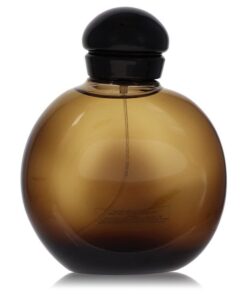
Halston Z-14 by Halston Cologne Spray (Tester) 4.2 oz (Men)
Original price was: $53.95.$28.06Current price is: $28.06. -
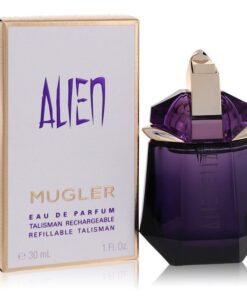
Alien by Thierry Mugler Eau De Parfum Spray Refillable 1 oz (Women)
Original price was: $87.95.$69.94Current price is: $69.94. -
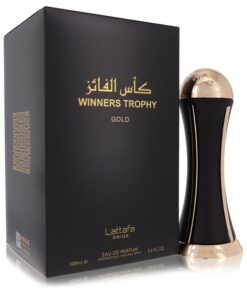
Lattafa Pride Winners Trophy Gold by Lattafa Eau De Parfum Spray 3.4 oz (Women)
$59.25 -
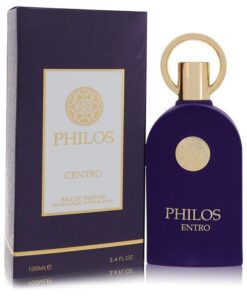
Philos Centro by Maison Alhambra Eau De Parfum Spray (Unisex) 3.4 oz (Women)
$47.85