Your cart is currently empty!
EDT vs EDP vs Parfum: What the Labels Mean
EDT vs EDP vs Parfum: What the Concentrations Actually Mean
The same fragrance name can appear on a shelf in four different versions at four different prices, and the only thing distinguishing them is a couple of words in small type. Those words are worth understanding, because the differences are real and the usual advice — “buy the strongest one” — is wrong more often than it is right.
What the labels actually describe
Every alcohol-based fragrance is two things: fragrance oil, and a carrier that is mostly alcohol plus a little water. The label tells you roughly how much of it is oil.
More oil means more aromatic material on your skin, which means longer wear and usually a denser, richer smell. Less oil means a lighter, brighter, shorter experience.
One important caveat before the table: these are conventions, not regulations. No law defines where eau de toilette ends and eau de parfum begins. Houses set their own thresholds, and a strong EDT from one brand can easily contain more oil than a weak EDP from another. The label is a useful signal, not a specification.
The concentration table
| Name | Also written | Typical fragrance oil | Typical wear on skin | Character |
|---|---|---|---|---|
| Eau Fraîche | — | around 1–3% | 1–2 hours | Barely-there; body-mist territory |
| Eau de Cologne | EDC, Cologne | around 2–5% | 2–3 hours | Bright, citrus-led, refreshing |
| Eau de Toilette | EDT | around 5–15% | 3–5 hours | Crisp and transparent; strongest opening |
| Eau de Parfum | EDP | around 15–20% | 6–8 hours | Rounder and warmer; best all-round balance |
| Parfum / Extrait | Extrait de Parfum, Pure Parfum | around 20–30% | 8–12 hours or more | Dense and intimate; sits close to skin |
| Elixir / Intense / Absolu | varies by house | marketing term, often 20%+ | varies | Usually a reformulation, not just a stronger version |
Concentration changes the smell, not just the strength
This is the part most guides skip, and it is the part that determines whether you are happy with your purchase.
When a house makes an EDP version of an existing EDT, it does not simply add more of the identical mixture. Adding oil across the board would make an unbalanced fragrance, because the heavy materials would overwhelm the light ones. So the formula gets rebuilt: base notes are increased, top notes are often reduced, and sometimes new materials are added.
The practical consequences:
- EDTs usually have the best opening. More alcohol means a sharper, more vivid burst of citrus, herbs and spice in the first fifteen minutes.
- EDPs usually have the best middle. More heart and base material means a fuller, warmer body through hours two to six.
- Parfums are the quietest of the three. Less alcohol means less outward diffusion. They last the longest and travel the least.
Bleu de Chanel is a clear example: the EDT is the freshest and most citrus-driven, the EDP adds amber and sandalwood weight, and the Parfum is smoother and woodier with much less citrus. They are three related fragrances, not one fragrance at three volumes. We cover this in detail in Dior Sauvage vs Bleu de Chanel.
Longevity is not the same as projection
Two different properties get confused constantly:
- Longevity is how long the fragrance remains detectable at all.
- Projection is how far it travels from your body.
Higher concentration reliably improves longevity. It does not reliably improve projection, and past a point it reduces it. Alcohol is what carries fragrance molecules into the air; a parfum with less alcohol and more heavy resinous material creates a rich scent bubble a few inches from your skin rather than a cloud across a room.
So: if you want people to notice from across a table, an EDP is usually the right buy. If you want something intimate that is still there at midnight, a parfum is. The strongest concentration is not the loudest.
Which one should you buy?
Buy the EDT when
- The fragrance is fresh, citrus or aquatic. These genres depend on brightness that higher concentration muddies.
- You are wearing it in heat. Warm weather amplifies everything; a lighter concentration stops it becoming oppressive.
- You work in close quarters and cannot risk projecting.
- You are happy to reapply once mid-day.
Buy the EDP when
- You want one bottle that handles most situations. For the majority of buyers this is the correct default.
- You have dry skin, which shortens everything.
- It is autumn or winter.
- The fragrance is woody, ambery, spicy or gourmand — these genres gain more than they lose from concentration.
Buy the Parfum when
- You already know and like the fragrance and want the richest reading of it.
- You prefer fragrance to be discovered close up rather than announced.
- You want all-day wear from a single application.
It is rarely the right first purchase of an unfamiliar fragrance, because you are paying the most for the version that shows you the least of the opening.
Does higher concentration justify the price?
At full retail, the premium for an EDP over an EDT is often steeper than the difference in oil content, because the higher concentration is also positioned as the more prestigious product.
At discount pricing the arithmetic changes substantially. When the gap between concentrations narrows, the EDP usually becomes the clearly better buy — you get longer wear and a fuller composition for a small increment. That is one of the more genuinely useful things about shopping fragrance outside department stores. Compare concentrations of the same fragrance side by side in the shop.
A related point: concentration also affects how many sprays a bottle gives you in practice. A parfum used at one or two sprays lasts far longer as a bottle than an EDT used at four or five, which can offset a higher sticker price over a year.
Terms that are not concentrations
Several words on bottles look like concentration labels and are not.
- Intense, Extreme, Elixir, Absolu, Le Parfum. These are product names. They often do indicate higher concentration, but they almost always also indicate a reformulated fragrance. Dior’s Sauvage Elixir, for instance, is a different composition built on spices and dense woods, not a concentrated Sauvage. Read them as “related fragrance,” not “stronger version.”
- Cologne. In American usage this usually just means “men’s fragrance” regardless of concentration. Technically it means eau de cologne, the weakest common category. Most things sold as “cologne” in the US are eau de toilette.
- Parfum on an ingredient list. On the back of a bottle or a lotion, “parfum” or “fragrance” in the ingredients simply denotes the scent component. It has nothing to do with concentration.
- Perfume oil / attar. Alcohol-free oil-based fragrance. Long-lasting and very skin-close, but not comparable to the scale above.
Where the manufacturer states it, the concentration is named on the product page, and every bottle is covered by our authenticity guarantee. If you are trying to get more out of the bottle you already own, read how to make perfume last longer on your skin. Otherwise browse fragrance for women or fragrance for men.
Frequently asked questions
Is eau de parfum always better than eau de toilette?
No. It lasts longer, but concentration changes the balance of a composition. Fresh, citrus and aquatic fragrances frequently smell better as EDTs because the brightness they depend on is clearer at lower concentration. Woody, ambery and gourmand fragrances usually improve as EDPs.
What is the difference between parfum and eau de parfum?
Parfum, also sold as extrait de parfum, typically contains around 20–30% fragrance oil against roughly 15–20% for eau de parfum. Parfum lasts longer and smells denser but projects less, because it contains less alcohol to carry the scent outward.
Are these percentages legally regulated?
No. They are widely-followed industry conventions, and each house applies its own thresholds. This is why a well-made EDT can outperform a thin EDP, and why the label should be treated as a guide rather than a guarantee.
Does “Intense” or “Elixir” mean a higher concentration?
Usually it means higher concentration and a different formula. These are marketing names rather than standardised categories, and the fragrance inside is typically a reinterpretation rather than the original at greater strength. Sample before assuming it will smell like the version you already like.
Which concentration should I buy if I only want one bottle?
Eau de parfum, in most cases. It offers the best combination of longevity, projection and versatility across seasons. The exception is if your fragrance is distinctly fresh or citrus-driven, or if you live somewhere consistently hot, in which case the EDT is the better single bottle.
Shop the story
-
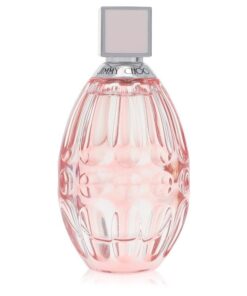
Jimmy Choo L’eau by Jimmy Choo Eau De Toilette Spray (Tester) 3 oz (Women)
Original price was: $112.95.$54.76Current price is: $54.76. -
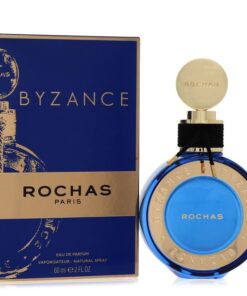
Byzance 2019 Edition by Rochas Eau De Parfum Spray 2 oz (Women)
$60.68 -
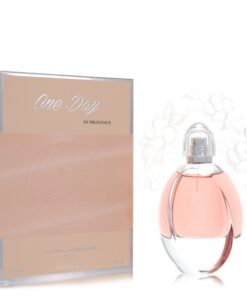
One Day in Provence by Reyane Tradition Eau De Parfum Spray 3.3 oz (Women)
$42.04 -
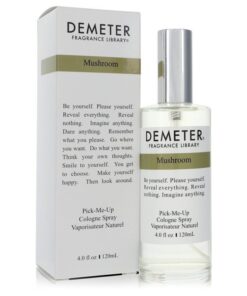
Demeter Mushroom by Demeter Cologne Spray (Unisex) 4 oz (Men)
$43.10