Your cart is currently empty!
Perfume vs Cologne: What’s the Difference?
The short answer: “Perfume vs cologne” has two answers. Technically, cologne (eau de cologne) is a light fragrance with a low concentration of perfume oils, while “perfume” usually means a higher-concentration product like eau de parfum that lasts longer and projects more. Casually in the US, however, “cologne” simply means a men’s fragrance and “perfume” means a women’s fragrance, regardless of strength.
Two meanings of “cologne”
Confusion is common because the word “cologne” is used two completely different ways. The first is a precise fragrance term describing a concentration. The second is everyday American shorthand for gender. Once you separate these two meanings, the whole topic becomes simple.
Meaning 1: Cologne as a concentration
Fragrances are classified by how much concentrated perfume oil they contain, diluted in alcohol and water. The more oil, the stronger and longer-lasting the scent, and usually the higher the price. Eau de cologne sits near the lighter end of that scale, while parfum sits at the top.
| Type | Typical oil concentration | Character | Approx. longevity |
|---|---|---|---|
| Parfum (Extrait) | ~20-30% | Richest, most intense | Longest-lasting |
| Eau de Parfum (EDP) | ~15-20% | Strong and rounded | Long |
| Eau de Toilette (EDT) | ~5-15% | Lighter, fresher | Moderate |
| Eau de Cologne (EDC) | ~2-5% | Light, crisp, splash-style | Shortest |
In this technical sense, eau de cologne is one of the lightest formats, traditionally citrus-forward and refreshing, made to be splashed on generously. Because it is so diluted, it fades faster than an eau de parfum. If you want a deeper comparison of the two most popular formats, see our guide to eau de parfum vs eau de toilette.
Meaning 2: Cologne as a casual gender label
In everyday American conversation, the words have drifted away from concentration entirely. Most people say “cologne” when they mean a fragrance marketed to men and “perfume” when they mean one marketed to women, even though both products are often the exact same concentration (frequently eau de toilette or eau de parfum). A men’s eau de parfum is still commonly called a “cologne,” and a women’s eau de toilette is still called a “perfume.” This usage is about marketing and tradition, not chemistry.
So which is stronger, perfume or cologne?
It depends on which meaning you are using:
- By concentration: A true eau de cologne is lighter and shorter-lived than an eau de parfum, so the “perfume” wins on strength and longevity.
- By casual usage: Strength has nothing to do with the gender label. A men’s “cologne” can easily be stronger than a women’s “perfume” if it is a higher concentration.
The takeaway: always check the actual format on the label (EDC, EDT, EDP or parfum) rather than relying on the word “cologne” or “perfume” to tell you how powerful a fragrance is.
How to choose between them
Pick your format based on the experience you want:
- Choose a lighter eau de cologne or eau de toilette for hot weather, daytime, the office, or when you prefer a subtle, refreshing presence.
- Choose an eau de parfum or parfum for evenings, cooler weather, special occasions, or when you want noticeable projection and all-day longevity.
Concentration also affects how long your scent survives the day. If you find your fragrance disappearing too quickly, our tips on how to make perfume last longer can help any format perform better. And if you are choosing a fragrance from scratch, our step-by-step guide to choosing a perfume walks you through matching scent, strength and occasion.
Whichever term you use, we have you covered with 100% authentic designer fragrances. Browse our full range of men’s cologne and women’s perfume across every concentration, and shop with confidence knowing every bottle is guaranteed genuine.
Frequently asked questions
Is cologne the same as perfume?
Not exactly. Technically, cologne (eau de cologne) is a lighter, lower-concentration fragrance than perfume or eau de parfum. In casual US usage, though, “cologne” just means a men’s fragrance and “perfume” means a women’s fragrance, regardless of strength.
Does cologne last as long as perfume?
A true eau de cologne usually does not, because it has a lower concentration of perfume oils and fades faster. However, many products labeled “men’s cologne” are actually eau de toilette or eau de parfum, which can last all day.
Can women wear cologne and men wear perfume?
Absolutely. Scent has no gender. The labels are marketing conventions, so anyone can wear any fragrance they enjoy, whether it is sold as a cologne, perfume, eau de toilette or eau de parfum.
Which is stronger, eau de cologne or eau de parfum?
Eau de parfum is stronger. It typically contains around 15 to 20 percent perfume oil, while eau de cologne contains only about 2 to 5 percent, making the eau de parfum more intense and longer-lasting.
How do I know what concentration I’m buying?
Check the label for the format: parfum or extrait is the strongest, followed by eau de parfum (EDP), then eau de toilette (EDT), then eau de cologne (EDC). The word “cologne” alone on the bottle does not always indicate concentration.
Shop the story
-
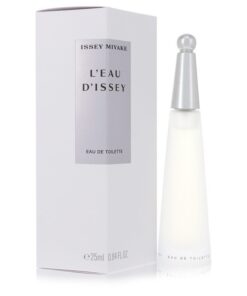
L’EAU D’ISSEY (issey Miyake) by Issey Miyake Eau De Toilette Spray .85 oz (Women)
Original price was: $60.95.$39.83Current price is: $39.83. -
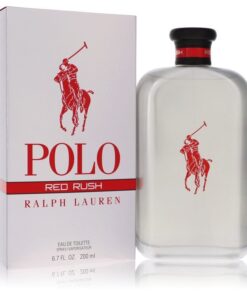
Polo Red Rush by Ralph Lauren Eau De Toilette Spray 6.7 oz (Men)
Original price was: $122.95.$113.77Current price is: $113.77. -
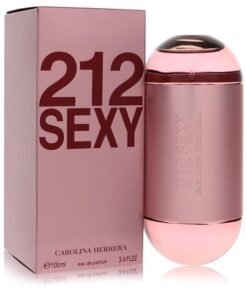
212 Sexy by Carolina Herrera Eau De Parfum Spray 3.4 oz (Women)
Original price was: $134.95.$92.02Current price is: $92.02. -
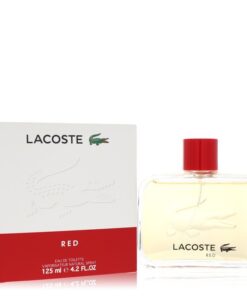
Lacoste Red Style In Play by Lacoste Eau De Toilette Spray (New Packaging) 4.2 oz (Men)
Original price was: $94.95.$57.77Current price is: $57.77.